Inguinal Hernia

Obesity and weight loss concept
Underweight
Normal
Overweight
Obese class ||
Obese class |

Inguinal hernia repair is a surgical procedure that reinforces the abdominal wall to treat groin hernias.

Overview

Inguinal hernia repair is a surgical procedure to treat a bulge in the lower abdominal wall caused by tissue pushing through a weak spot in the groin area. This condition can cause discomfort, pain, and complications if left untreated.

The procedure reinforces the weakened abdominal wall, either by suturing the tissue together or using a mesh for additional support. It can be performed using open surgery or a minimally invasive laparoscopic technique, depending on the patient’s condition and medical needs.

When is Surgery Recommended?

Inguinal hernia surgery is recommended for individuals experiencing pain, discomfort, or a bulge in the groin that worsens with physical activity. It is necessary when the hernia grows larger or becomes irreducible, meaning it cannot be pushed back in.

Surgery is also required if there is a risk of strangulation, where trapped tissue loses blood supply, leading to severe pain, nausea, or vomiting. Since inguinal hernias do not heal on their own, surgical repair is the most effective long-term solution to prevent complications and recurrence.

Procedure Details

Inguinal hernia repair is performed using either an open or laparoscopic approach to reinforce the abdominal wall and prevent the hernia from recurring.


Anesthesia is administered for patient comfort.

An incision is made in the groin area or small laparoscopic incisions are created.

The herniated tissue is pushed back into place.

The weakened area is reinforced with sutures or a surgical mesh.

The incisions are closed, and the procedure is completed.

Recovery

Recovery varies based on the surgical method used. Most patients can return to light activities within a few days, while full recovery may take a few weeks. Pain and swelling are common but manageable with medication.

We provide personalized aftercare instructions, including activity restrictions, wound care, and dietary recommendations. Follow-up appointments ensure proper healing and reduce the risk of recurrence.

Have questions about your treatment?

Get personalized guidance and expert answers.
Our team is available 24/7 with multilingual support.
Op. Dr. Güngör Gül, bariatric surgeon in Istanbul

Frequently Asked Questions

Find answers to common inquiries.

Need personalized support?
WhatsApp us for a quick response—we reply within minutes.

What types of surgeries does Dr. Gül specialize in?

Dr. Gül specializes in bariatric surgery, cancer surgery, hernia repair, reflux surgery, endocrine surgery, and advanced endoscopy procedures

Why choose Türkiye for surgical procedures?

Türkiye offers affordable, high-quality care with skilled surgeons, advanced facilities, seamless medical tourism packages, and the opportunity to explore its rich culture.

What is the recovery time for most surgeries?

Recovery times vary by procedure but typically range from 1-4 weeks for minimally invasive surgeries like bariatric or hernia repair.

What bariatric procedures are offered at the clinic?

We offer sleeve Gastrectomy, Gastric Bypass, and Mini Gastric Bypass surgeries tailored to your specific health needs and goals.

How much weight can I expect to lose after bariatric surgery?

Most patients lose 60-80% of their excess weight within 12-18 months, depending on the procedure and lifestyle changes.

What languages does Dr. Gül and his team speak?

Dr. Gül and his team are fluent in English, Spanish, and Turkish to ensure clear communication with all patients.

Will I need to take supplements after bariatric surgery?

Yes, supplements are usually required to maintain proper nutrition after surgery. A personalized plan will be provided for you.

Does insurance cover these procedures?

Coverage depends on your insurance provider and the type of procedure. Contact us for assistance with insurance-related questions.

Can I combine treatment with travel in Turkey?

Yes! Many patients combine their treatment with a relaxing stay in Istanbul or nearby destinations. We can assist with planning.

What support is available after surgery?

We provide ongoing support through follow-up appointments, nutritional guidance, and access to our team for any questions or concerns.

Am I a suitable candidate for bariatric surgery?

Suitability is decided after a medical evaluation. Surgery is generally considered for a BMI of 40 or above, or 35–39.9 alongside weight-related conditions such as type 2 diabetes or high blood pressure. For lower BMIs, non-surgical options may be more appropriate.

How long do I need to stay in Türkiye?

It depends on the procedure. For most bariatric surgeries a stay of around 5–7 days is typical, allowing time for the operation, initial recovery and post-operative checks before you fly home.

What pre-operative tests are required?

Before surgery you will have blood tests, imaging and an anaesthesia assessment, along with any consultations needed to confirm you are ready for the procedure.

What is the difference between gastric sleeve and gastric bypass?

A sleeve gastrectomy reduces the size of the stomach, while a gastric bypass both reduces the stomach and reroutes part of the digestive tract. The most suitable option is determined during consultation based on your health profile.

What can I eat after surgery?

You follow a staged plan that begins with liquids, then moves to pureed and soft foods before returning to regular meals, all guided by a dietitian with a plan tailored to you.

When can I return to work and exercise?

Most patients return to daily activities within 1–4 weeks, with a gradual return to exercise once approved by your surgeon. Recovery time varies by procedure and individual.

Are there non-surgical weight-loss options?

Yes. Non-surgical methods such as the gastric balloon and gastric (stomach) botox are available for suitable patients; eligibility is determined during a medical evaluation.

Is the anaesthesia safe and how is it managed?

Procedures are carried out in a fully equipped medical setting with a specialist anaesthesia team following standard safety protocols. Your fitness for anaesthesia is assessed beforehand.

Can bariatric surgery help with obesity-related conditions?

Many patients see improvement in obesity-related conditions such as type 2 diabetes, high blood pressure and reflux. Outcomes vary from person to person and require ongoing medical follow-up.

What follow-up care do I get after returning home?

We provide ongoing support after you return home, including remote follow-up, nutritional guidance and access to our team, together with the recommended vitamin and mineral supplementation.
If you have any further questions, please reach out to our friendly support team.
Contact Support

Our Expertise

Discover a healthier, happier you with our personalized weight-loss solutions designed for lasting transformation.
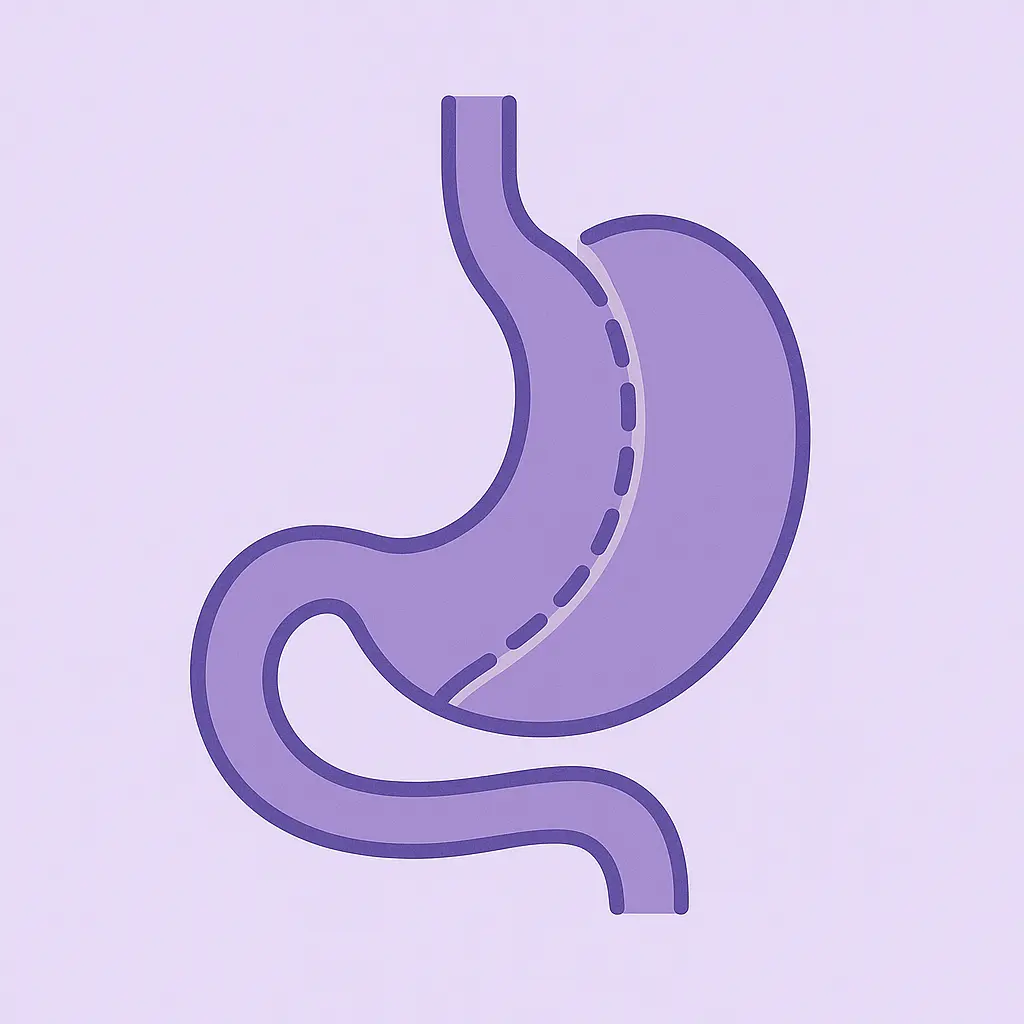
Illustration of sleeve gastrectomy showing the reduced sleeve-shaped stomach
Weight Loss Surgery

Sleeve Gastrectomy

Minimally invasive surgery for long-term weight loss with a simple procedure and no rerouting.

Illustration of mini gastric bypass surgery showing the rerouted digestive tract
Weight Loss Surgery

Mini Gastric Bypass

Simpler, less invasive gastric bypass for significant weight loss and diabetes control.

Illustration of a gastric balloon placed inside the stomach for weight loss
Weight Loss Surgery

Gastric Balloon

A non-surgical, temporary option for moderate weight loss without permanent stomach changes.

All Treatments

Follow Dr. Gül on Instagram

@op.dr.gungorgul
This clinic is fully approved and accredited by the Türkiye Ministry of Health.