


Hemorrhoids

Hemorrhoids are swollen veins in the rectum or anus, treated with laser therapy, ligation, sclerotherapy, or surgery.
Overview
Hemorrhoids occur when veins in the rectum or anus become swollen due to increased pressure. They can be internal or external and are common in both men and women, especially after age 50. Pregnancy, chronic constipation, obesity, and prolonged sitting increase the risk. Symptoms include rectal bleeding, itching, pain, and swelling. A medical exam is essential to rule out other conditions like colorectal cancer.
Treatment options range from non-invasive procedures to surgical solutions. Laser therapy offers a minimally painful option, while rubber band ligation and sclerotherapy help shrink hemorrhoids. Severe cases may require hemorrhoidectomy or hemorrhoidopexy for long-term relief.
When is Surgery Recommended?
Hemorrhoid surgery is recommended for individuals with severe, persistent pain, bleeding, or prolapsed hemorrhoids that do not respond to lifestyle changes or medications. It is necessary when hemorrhoids cause discomfort, affect daily activities, or frequently recur.
Surgery is also required if hemorrhoids become thrombosed (blood clot forms), prolapsed (permanently protruding), or cause excessive bleeding leading to anemia. Since severe hemorrhoids often worsen over time, surgical intervention is the most effective long-term solution for symptom relief and preventing complications.
Procedure Details
There are several effective treatment options for hemorrhoids, ranging from minimally invasive procedures to surgical interventions, depending on the severity of the condition.
Laser Therapy: We use advanced laser technology to treat hemorrhoids, offering a minimally invasive solution with reduced postoperative pain.
Rubber Band Ligation: A small rubber band is placed around the base of the hemorrhoid inside the rectum, cutting off its blood supply. As a result, the hemorrhoid shrinks and naturally falls off within a few days.
Sclerotherapy: A chemical solution is injected into the blood vessel, causing the hemorrhoid to shrink over time.
Hemorrhoidectomy & Hemorrhoidopexy: These surgical procedures are used for more severe cases, providing long-term relief by removing or repositioning hemorrhoids to restore normal function.
Recovery
Healing after hemorrhoid treatments depends on the technique used. Most patients experience discomfort for a few days to weeks, which can be managed with pain relievers, sitz baths, and dietary adjustments. Swelling and mild bleeding may occur but gradually improve.
To promote smooth recovery, we provide personalized aftercare instructions, including proper hygiene, stool softeners to prevent straining, and activity modifications. Regular follow-up appointments help monitor healing progress and reduce the risk of recurrence. Patients are encouraged to stay hydrated and maintain a fiber-rich diet.
Have questions about your treatment?
Our team is available 24/7 with multilingual support.

Frequently Asked Questions
Find answers to common inquiries.
Need personalized support?
WhatsApp us for a quick response—we reply within minutes.
What types of surgeries does Dr. Gül specialize in?

Why choose Türkiye for surgical procedures?
What is the recovery time for most surgeries?
What bariatric procedures are offered at the clinic?
How much weight can I expect to lose after bariatric surgery?
What languages does Dr. Gül and his team speak?
Will I need to take supplements after bariatric surgery?
Does insurance cover these procedures?
Can I combine treatment with travel in Turkey?
What support is available after surgery?
Am I a suitable candidate for bariatric surgery?
How long do I need to stay in Türkiye?
What pre-operative tests are required?
What is the difference between gastric sleeve and gastric bypass?
What can I eat after surgery?
When can I return to work and exercise?
Are there non-surgical weight-loss options?
Is the anaesthesia safe and how is it managed?
Can bariatric surgery help with obesity-related conditions?
What follow-up care do I get after returning home?
Our Expertise
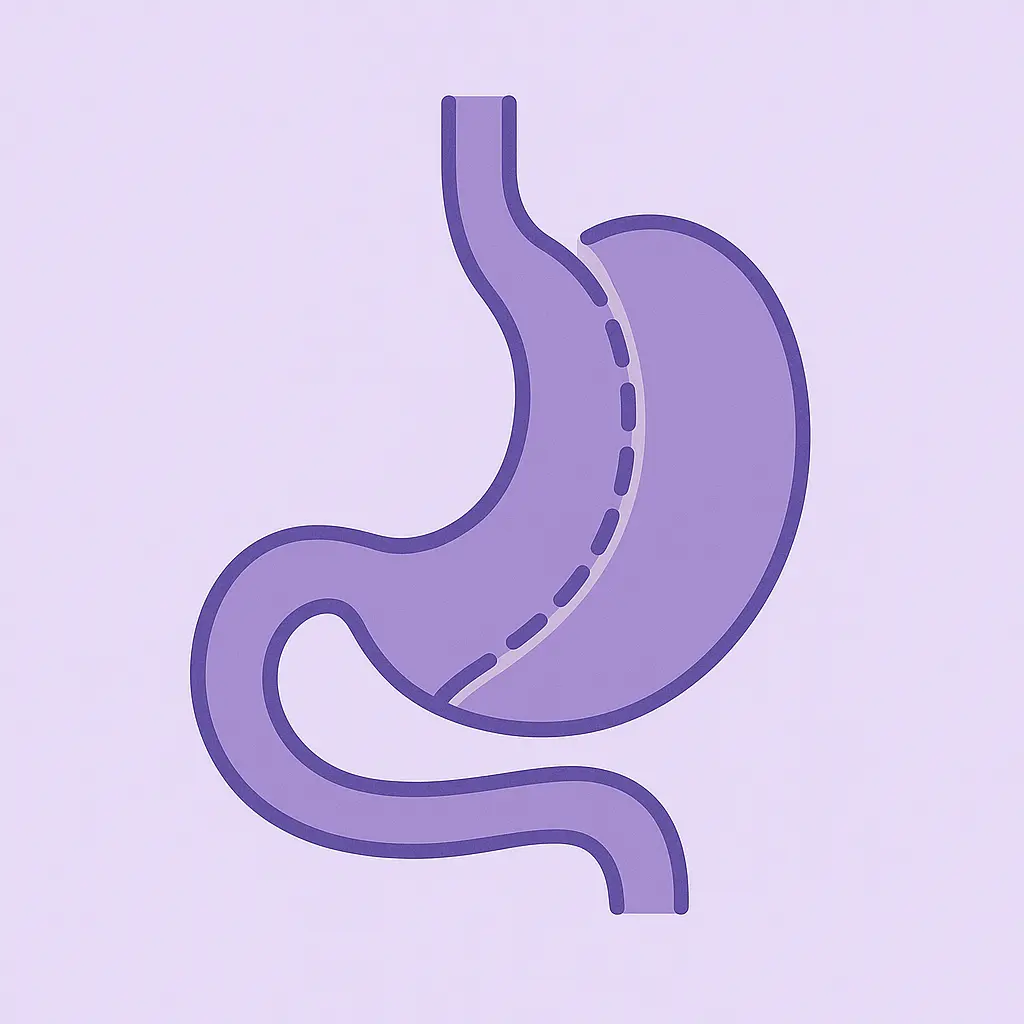
Sleeve Gastrectomy
Minimally invasive surgery for long-term weight loss with a simple procedure and no rerouting.

Mini Gastric Bypass
Simpler, less invasive gastric bypass for significant weight loss and diabetes control.

Gastric Balloon
A non-surgical, temporary option for moderate weight loss without permanent stomach changes.
Follow Dr. Gül on Instagram


